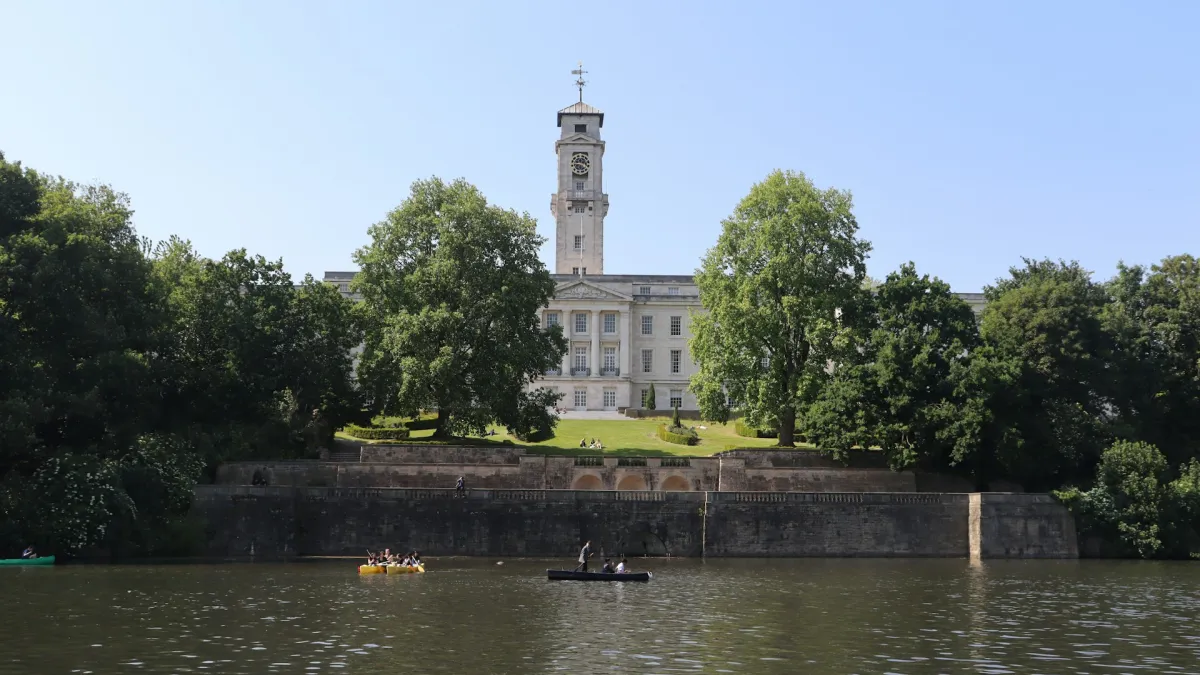
While China has rapidly ascended to become the world's largest host of International Branch Campuses (IBCs), a critical sociological question has remained largely unanswered: who are the students populating these sleek, Western-style lecture halls?. A recent case study into one of China’s oldest independent IBCs provides a comprehensive picture, revealing that while these institutions offer a globalized alternative to traditional universities, they may be reinforcing deep-seated socioeconomic inequalities.
The Gaokao Paradox: A Strategic "Plan B"
For many Chinese families, the pinnacle of academic success is a seat at a "Project 985" university—the domestic Ivy League. However, for those whose gaokao (National College Entrance Examination) scores fall just short of these elite heights, IBCs have emerged as a powerful strategic choice.
The research shows that students at these campuses are academically gifted, typically ranking within the top 5.8% of gaokao participants. Yet, most did not list the IBC as their first choice. Instead, they opted for the IBC over "Project 211" universities because they perceived the international curriculum and English-language environment as a better "stepping stone" for future mobility in the global arena.
The Architecture of Advantage
The study, which surveyed 798 students, paints a vivid picture of the "typical" IBC attendee—a profile characterized by significant geographic and financial advantage.
- The Urban Monolith: A staggering 98.2% of surveyed students hail from urban areas. In a country where over 60% of higher education students overall come from rural backgrounds, rural students are significantly underrepresented in the IBC landscape.
- The Wealth Factor: IBCs are a substantial financial undertaking. Annual costs at the study site range from 140,000 to 170,000 RMB, approximately ten times the cost of public Chinese universities. Consequently, 95.2% of students come from middle- to high-income families.
- Educated Lineage: Up to 86% of students have at least one parent who received a college education. This suggests that highly educated parents are more knowledgeable about navigating these non-traditional educational paths.
- Professional Pedigree: The parents of these students largely occupy "privileged" occupations—officials, managers, and private entrepreneurs. These families possess the political and economic capital necessary to secure high-quality educational opportunities for their children.
The Shifting Gender Landscape
One of the study's most striking findings is the "reverse" gender gap. At the case-study campus, female students account for 71.9% of the participants. This trend may be specifically tied to the English-immersion nature of the schools, as research indicates females often perform significantly better than males in English language subjects on the gaokao.
Conclusion: The Inequality Trap
While IBCs provide essential diversity to the Chinese education market, the study warns that they are increasingly becoming a "public good" reserved for the middle and upper classes. The high costs, combined with a domestic financial aid system where the maximum tuition loan is negligible compared to total fees, create a barrier that is nearly impossible for low-income families to overcome. Without a significant shift in policy to increase accessibility, the IBC risks functioning as an exclusive enclave, allowing the children of the elite to utilize their family's capital to maintain social status.
- Log in to post comments